Upgrading your property is an exciting opportunity to improve comfort, functionality, and long-term value. Whether you’re aiming to modernize outdated spaces, increase efficiency, or simply create an environment that better suits your lifestyle, well-planned improvements can make a significant difference. However, large-scale projects can quickly become overwhelming without a clear strategy in place. Many property owners jump into upgrades focused mainly on appearance, only to encounter delays, unexpected costs, or structural complications that could have been avoided with careful preparation. Taking a thoughtful, step-by-step approach allows you to anticipate challenges, allocate resources wisely, and move forward with confidence instead of uncertainty.
Another common challenge is underestimating how interconnected different parts of a property are. Changes in one area often affect another, especially when systems like electrical, plumbing, or structural components are involved. For example, updating a single room may reveal issues that require attention elsewhere, and failing to plan for these possibilities can disrupt timelines and budgets. When you approach improvements strategically, you can sequence tasks logically so that each step supports the next rather than creating obstacles. This level of planning not only prevents unnecessary rework but also helps maintain momentum throughout the process.
This guide walks you through a structured process for planning a complete upgrade, offering practical steps, detailed advice, and actionable strategies you can follow from start to finish. By approaching your project with preparation and purpose, you can transform what might feel like a complicated undertaking into a manageable, rewarding experience that delivers lasting results.
Evaluate Your Property’s Current Condition First

Before making any improvements, take time to thoroughly assess your property’s existing condition. A careful evaluation helps you understand what needs attention immediately and what can wait. This step is essential for setting realistic expectations and preventing costly surprises later.
Walk through each room and examine structural components, surfaces, and fixtures. Pay attention to subtle warning signs like uneven flooring, peeling paint, water stains, or cracks in walls. These indicators often point to deeper issues that should be addressed before cosmetic upgrades. Planning projects in this order ensures that your home remodeling efforts build on a stable foundation rather than covering up underlying problems.
A structured inspection checklist can help:
- Inspect ceilings for leaks or discoloration
- Test doors and windows for proper sealing
- Check plumbing fixtures for leaks or corrosion
- Examine outlets and switches for safety
- Look for signs of mold or moisture buildup
Documenting your findings also helps you prioritize repairs based on urgency. Structural or safety issues should always come first, followed by functional improvements and finally aesthetic enhancements. This approach saves money and time because you won’t need to undo finished work to correct overlooked problems.
Set a Practical Budget Before Planning Projects
Establishing a realistic budget early in the process is one of the most important steps in any upgrade plan. Without a financial framework, costs can spiral quickly, especially when multiple improvements happen simultaneously. A well-structured budget helps you allocate resources wisely and make informed decisions.
Break your budget into clear categories:
- Materials
- Labor
- Permits and inspections
- Design or consultation fees
- Emergency reserve
Consulting professionals early can help refine cost estimates. For example, speaking with a cabinet company about storage installations or custom built-ins provides insight into material and labor pricing. These early estimates help you determine whether your plans align with your available funds.
It’s also wise to build a contingency buffer—typically 10–20 percent of your total budget—to cover unexpected expenses. Renovation projects frequently reveal hidden issues such as outdated wiring or damaged framing. Having a financial cushion prevents delays if surprises arise.
Budget planning isn’t just about limiting spending; it’s about directing your money toward improvements that deliver the greatest long-term benefit. When every dollar has a purpose, your project stays organized and efficient.
Clear Out Spaces Before Any Work Begins
Preparing your property for upgrades starts with clearing the area. Cluttered rooms slow down progress, create safety hazards, and make it harder for professionals to work efficiently. Removing unnecessary items also gives you a clearer picture of the space you’re transforming.
Sorting belongings into categories simplifies the process:
- Keep
- Donate
- Sell
- Dispose
Large cleanouts often require outside help. Hiring junk removal services can streamline disposal of bulky or unwanted items, saving time and effort. If you need to temporarily relocate furniture or appliances during construction, local moving companies can safely transport and store them.
Clearing out spaces offers additional benefits beyond convenience. It reduces the risk of damage to personal belongings, allows contractors to work faster, and prevents dust or debris from spreading to occupied areas. Preparing rooms thoroughly before work begins also helps projects stay on schedule because crews won’t need to pause to move obstacles.
An organized environment sets the tone for a successful upgrade. When your property is cleared and ready, every following step becomes easier to manage.
Address Hidden Problems Before Cosmetic Changes
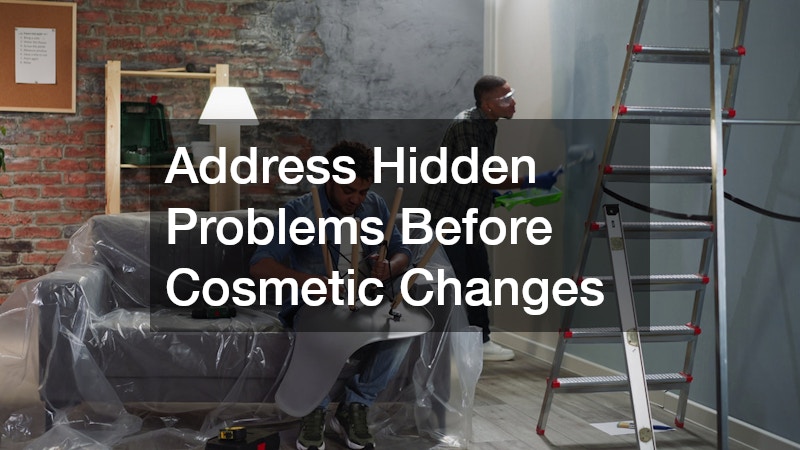
Surface-level improvements may look impressive, but they won’t last if underlying problems remain unresolved. Identifying hidden issues before starting visible upgrades protects your investment and prevents future repairs.
Common concealed problems include moisture buildup, pest activity, deteriorating insulation, and aging structural components. If you notice signs such as droppings, chewed materials, or unusual odors, scheduling pest control services early can prevent infestations from spreading during construction.
Warning signs to investigate:
- Hollow-sounding walls
- Warped flooring
- Persistent musty smells
- Sudden increases in utility bills
- Unexplained stains
Fixing these concerns before installing new finishes ensures that improvements remain durable and safe. For example, repairing a moisture issue behind walls before painting prevents peeling and mold growth later.
This stage may feel less exciting than choosing finishes or décor, but it’s one of the most valuable steps in the process. Addressing hidden problems first protects your property and guarantees that visible upgrades will stand the test of time.
Refresh Walls and Surfaces for Immediate Impact
Updating walls and surfaces is one of the fastest ways to transform a space. Fresh finishes can make rooms look brighter, cleaner, and more modern without requiring major structural work. Because of this, surface upgrades often deliver a high visual return for a relatively modest investment.
Professional interior painters can achieve smooth, durable finishes that last longer than typical do-it-yourself results. Their experience improves coverage, color consistency, and surface preparation, which are essential for long-term durability.
To maximize results:
- Choose light colors to make small rooms feel larger
- Use satin or semi-gloss paint for high-traffic areas
- Repair cracks or holes before painting
- Clean walls thoroughly to remove grease or dust
- Apply primer when changing colors dramatically
Beyond paint, consider updating trim, baseboards, or wall paneling. These details may seem minor, but they contribute significantly to the overall appearance of a room. When walls and surfaces look polished, the entire property feels more refined and well-maintained.
Prioritize Upgrades That Improve Daily Function
Not all improvements should be cosmetic. Focusing on upgrades that enhance daily usability can dramatically improve comfort and efficiency. Areas you use most often deserve the greatest attention because improvements there deliver immediate benefits.
High-impact functional upgrades might include:
- Improving lighting layout
- Adding storage solutions
- Updating fixtures
- Enhancing ventilation
- Reconfiguring layouts
Consulting a kitchen remodeler, for instance, can help you redesign one of the most frequently used spaces in your property. Professional guidance ensures that layouts maximize workflow, storage, and accessibility while avoiding design mistakes that could limit functionality.
Functional upgrades often provide the best long-term value because they improve how you interact with your space every day. By focusing on practicality first, you create an environment that is not only attractive but also convenient and efficient.
Convert Underused Areas Into Livable Spaces
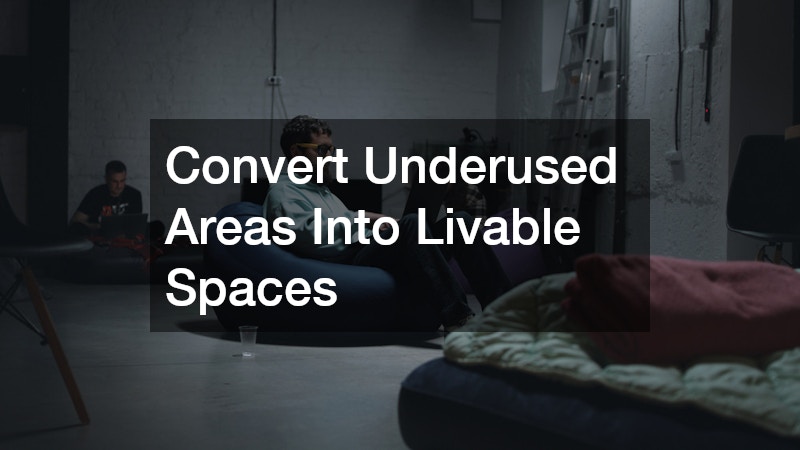
Unused areas represent untapped potential. Transforming these spaces into functional rooms increases both usability and overall property appeal. Basements, attics, and spare rooms can often be repurposed into offices, recreation areas, or guest suites.
A modern finished basement, for example, can add substantial livable square footage without expanding the property’s footprint. With proper insulation, lighting, and ventilation, previously unused areas can become comfortable, welcoming environments.
Consider these planning tips:
- Install adequate lighting to eliminate dark corners
- Add moisture barriers where necessary
- Choose durable flooring suited to the space
- Plan electrical outlets for future needs
- Include storage to keep the area organized
Repurposing underused areas is one of the most efficient ways to expand functionality. Instead of building outward, you maximize what you already have, making your property more versatile and enjoyable.
Improve Storage and Organization Systems
Effective storage solutions can dramatically enhance convenience and reduce clutter. Organized spaces are easier to maintain, more visually appealing, and more efficient for everyday use. Investing in smart storage upgrades improves both functionality and overall satisfaction.
Working with a local garage company can help redesign storage areas to accommodate tools, seasonal equipment, and household items. Custom shelving, overhead racks, and wall-mounted systems make it easier to keep belongings accessible yet neatly arranged.
Storage improvements to consider:
- Built-in shelving units
- Adjustable closet systems
- Wall hooks for tools or equipment
- Hidden compartments for valuables
- Multi-purpose furniture with storage
Good organization reduces stress and saves time because everything has a designated place. Over time, these improvements contribute to a cleaner, more efficient living environment that supports your daily routine.
Strengthen Access Points and Exterior Structures
Exterior components play a major role in durability, safety, and energy efficiency. Doors, entryways, and structural openings should be sturdy, well-sealed, and resistant to weather conditions. Strengthening these areas protects your property and improves long-term reliability.
In some cases, major repairs or upgrades require professional assistance. Garage contractors can evaluate structural integrity, replace worn components, and install reinforced systems that enhance durability and insulation.
Important exterior considerations:
- Check seals around doors and windows
- Repair damaged framing or panels
- Reinforce hinges and locking mechanisms
- Upgrade weather stripping
- Inspect roofing edges and gutters
Improving these elements doesn’t just increase resilience—it also enhances appearance and comfort. A well-maintained exterior signals quality and care, which positively influences how people perceive the property.
Coordinate Scheduling and Professionals Efficiently
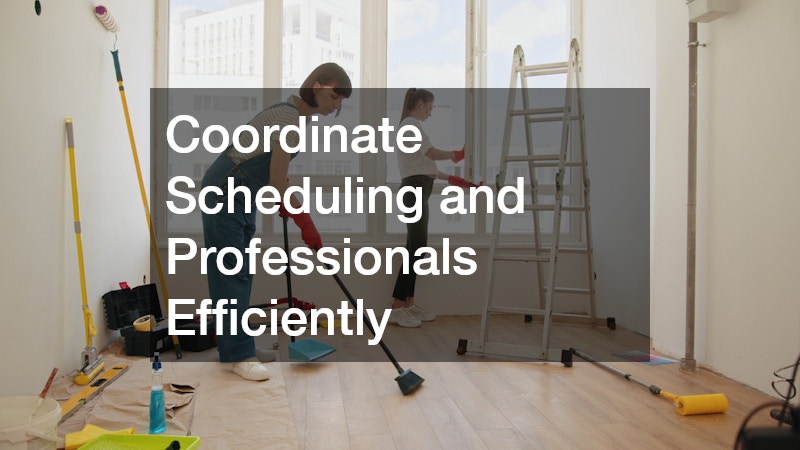
Coordinating multiple projects requires careful planning. Without a clear timeline, tasks may overlap or interfere with one another, causing delays and unnecessary expenses. Establishing a structured schedule keeps everything organized and ensures each phase flows smoothly into the next.
Steps for effective coordination:
- List all projects in order of priority
- Determine which tasks must happen first
- Allow buffer time between phases
- Confirm availability of professionals
- Track progress regularly
Communication is essential throughout this stage. Keeping everyone informed about timelines, expectations, and updates prevents misunderstandings and keeps work on track. Written agreements, schedules, and progress notes provide clarity and accountability.
Efficient coordination not only saves time but also reduces stress. When projects follow a logical sequence, the entire process feels manageable rather than chaotic.
Planning a full property upgrade requires patience, organization, and thoughtful decision-making. By carefully evaluating your property’s condition, setting a realistic budget, preparing spaces for work, and addressing hidden issues early, you establish a strong foundation for meaningful improvements. Each stage of preparation plays a crucial role in preventing delays, minimizing unexpected costs, and helping every project move forward smoothly. When you take the time to plan instead of rushing into changes, you give yourself the advantage of clarity, control, and confidence throughout the entire process.
Focusing on functional upgrades, optimizing storage, strengthening structural elements, and coordinating schedules helps confirm that your efforts produce results that last. Strategic improvements not only make your property more attractive but also improve how it performs day to day. Whether it’s enhancing comfort, improving efficiency, or increasing usability, thoughtful upgrades add practical benefits that you’ll notice long after the work is complete. These intentional choices also make future updates easier because you’ve already built a solid framework for ongoing improvements.
It’s important to remember that successful upgrades are rarely the result of a single project—they come from a series of well-planned decisions that work together. Small improvements, when chosen carefully, can have a cumulative effect that transforms your property over time. Maintaining records, reviewing progress periodically, and reassessing your priorities allow you to adapt your plans as your needs evolve, making your property more responsive to your lifestyle.
Ultimately, a well-planned upgrade isn’t just about changing how a property looks—it’s about transforming how it works for you. When every decision is guided by clear goals and practical planning, your investment pays off in comfort, functionality, and long-term value. With a structured approach and consistent follow-through, you can create a space that supports your daily life, reflects your preferences, and continues to serve you well for years to come.