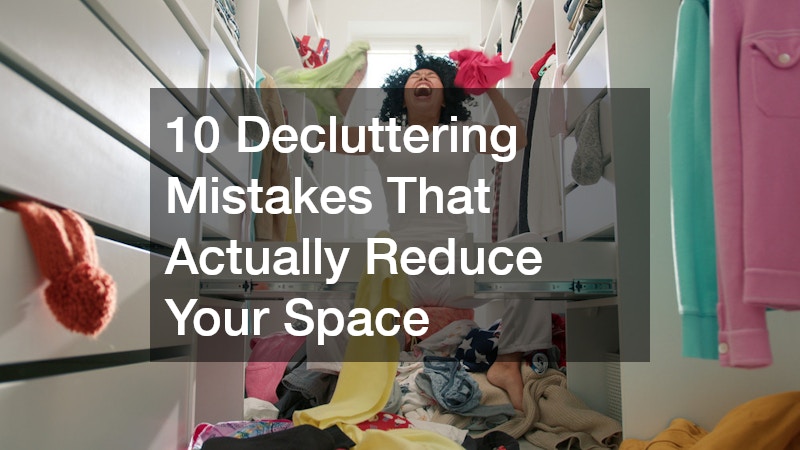
Creating extra space at home isn’t just about moving things around—it’s about smart organization, thoughtful disposal, and knowing when to seek professional help. Many homeowners attempt to declutter without realizing they’re making mistakes that can actually shrink usable space or create new problems. From keeping items “just in case” to neglecting proper storage solutions, common missteps often undo the benefits of decluttering efforts.
This guide explores ten decluttering mistakes that reduce your space and explains how to avoid them. Each section highlights practical insights and suggests when consulting professionals—such as cabinet makers, interior remodeling experts, or animal exterminators—can make your home safer, more functional, and visually appealing. By learning what not to do, homeowners can create more spacious, organized, and stress-free living areas.
1. Holding Onto Items You Rarely Use

Many homeowners keep possessions out of guilt or the thought they might “use them someday.” However, these seldom-used items occupy precious square footage, making storage areas overcrowded and rooms feel cluttered.
Instead of holding on indefinitely, consider assessing items by frequency of use. Donate, sell, or responsibly dispose of those that no longer serve a practical purpose. Dumpster rental services or roll off containers can simplify the removal of large volumes of items safely and efficiently. Using these solutions prevents clutter from piling up in hallways, basements, or attics, making it easier to navigate your home and utilize the available space effectively.
Keeping only what you actively use frees room for new, functional furniture or organizational solutions. The psychological benefit of an uncluttered environment is also significant, as it fosters calm and productivity.
2. Ignoring Specialized Storage Needs
Not all household items can be stored effectively in standard containers or shelves. Oversized equipment, seasonal decorations, delicate collectibles, or sensitive materials like artwork or electronics require specialized storage solutions. Ignoring these unique requirements often leads to overcrowded closets, cluttered hallways, and items stacked in ways that make access difficult or increase the risk of damage. Over time, this lack of organization can make the home feel cramped, no matter how much space is technically available.
Storage facilities provide an excellent option for items that aren’t needed on a daily basis. Many offer climate-controlled units that protect belongings from extreme temperatures, humidity, or pests, ensuring that furniture, electronics, and other valuables remain safe. Secure access and surveillance add another layer of protection, giving homeowners peace of mind. By moving infrequently used items into these off-site spaces, living areas remain uncluttered, functional, and visually open.
For items that must stay at home, experts can help redesign storage zones to maximize every inch of available space. Customized shelving, pull-out drawers, vertical cabinets, and hidden compartments make it possible to store bulky or oddly shaped items efficiently. Incorporating built-in storage into closets, pantries, or under stairs allows homeowners to keep essentials accessible while maintaining a tidy environment.
3. Neglecting Hazardous Materials

Old paint, leftover chemicals, or materials containing asbestos require careful handling and cannot be stored or discarded like regular household items. Simply tossing them into a garage, basement, or storage area not only occupies valuable space but also creates serious safety hazards for family members, pets, and anyone accessing the area. Exposure to toxic fumes or accidental contact can lead to health risks, making proper management essential for both safety and space optimization.
Asbestos abatement professionals are trained to safely remove, contain, and dispose of hazardous materials, ensuring they do not compromise your home’s livability. By following strict safety protocols, these specialists prevent contamination and reduce the potential for long-term damage. Likewise, proper disposal of paints, solvents, and chemicals prevents accidental spills or reactions that can ruin floors, shelving, or other stored items, freeing up space and keeping storage areas functional.
Neglecting hazardous materials often limits your ability to reorganize effectively. Cabinets, closets, basements, and utility areas may become partially unusable simroply because unsafe items are stored there. This not only restricts usable space but also makes decluttering or reorganizing more stressful and time-consuming. By addressing these hazards responsibly, homeowners restore full functionality to storage areas, making it easier to arrange belongings safely and efficiently.
Proper management of hazardous items protects your family, pets, and possessions while simultaneously improving the home’s organization. Clearing out dangerous materials allows for a more spacious, accessible, and safer living environment, turning previously restricted areas into practical storage solutions and reducing long-term clutter.
4. Overlooking Pest Problems
Uninvited pests can quickly take over storage areas, gnaw through boxes, and leave droppings or nesting materials that render previously organized spaces unusable. Many homeowners focus on decluttering and reorganizing but overlook ongoing infestations, which can undo even the most carefully planned efforts. Pests such as rodents, insects, or other wildlife not only damage belongings but also pose health risks through contamination and allergens.
Animal exterminators provide targeted solutions to safely and effectively eliminate these intruders. Their expertise ensures that infestations are thoroughly addressed, and they often implement preventive strategies to reduce the likelihood of a recurrence. Once storage areas are cleared, attics, basements, and other vulnerable spaces can be restored to full functionality, allowing homeowners to maintain organization without fear of disruption.
Ignoring pest problems can result in long-term damage to furniture, cabinetry, and kitchen and bath cabinets, as well as stored seasonal items, documents, or sentimental possessions. Infestations often go unnoticed until significant harm occurs, making proactive intervention critical. By addressing pests early and combining extermination with preventive measures, homeowners preserve usable space, maintain the integrity of their belongings, and avoid repeated setbacks in their decluttering process.
5. Using Inefficient Removal Methods
Trying to remove large volumes of clutter without proper equipment or planning can actually reduce usable space temporarily. Items may be moved from one area to another without ever leaving the home, creating stacked obstacles and blocked pathways.
Roll off containers simplify the removal of bulky items, providing a temporary, organized location for waste before it is transported off-site. This approach allows decluttering projects to proceed smoothly without cluttering active areas.
Inefficient removal also increases the chance of injury or damage. Heavy boxes or old furniture may obstruct stairs or doorways, while using the wrong equipment can damage floors or walls. Proper planning ensures a streamlined process that frees space quickly and safely.
6. Neglecting Cabinet and Storage Optimization
Kitchen and bath cabinets, as well as built-in storage, are often underutilized due to poor organization or overcrowding. Overstuffed drawers and shelves reduce functional space and make it hard to locate items, giving the impression that the home is more cluttered than it is.
Cabinet makers can design custom solutions that maximize storage capacity while keeping items accessible. Modular inserts, pull-out shelves, or vertical dividers help homeowners store more efficiently, opening up counter and floor space in the process.
Optimizing cabinets also prevents the need for makeshift storage elsewhere in the home, such as on countertops or in hallways. By making each cabinet more functional, you enhance the overall feeling of spaciousness throughout your living areas.
7. Forgetting Seasonal and Rotating Items
Items that are used only seasonally—such as holiday decorations, winter clothing, or patio furniture—often accumulate in closets, basements, or other accessible areas, creating unnecessary clutter throughout the year. These belongings take up valuable space that could otherwise be used for daily living, making homes feel crowded and less functional.
Storage facilities, attic solutions, or even temporary containers like roll off containers provide an ideal solution for holding seasonal items until they are needed. Using these options allows homeowners to keep their living areas clear while still having easy access to items when the appropriate season arrives. Proper organization, labeling, and rotation of stored belongings ensure that off-season items do not interfere with the flow and usability of everyday spaces.
Failing to rotate possessions effectively often leads to overstuffed closets, blocked hallways, and overcrowded storage areas, which reduce functional space and create stress during daily routines. By strategically storing off-season items in designated spaces, homeowners restore usable areas, simplify access to frequently used items, and maintain a sense of order throughout the home. Additionally, keeping seasonal belongings properly stored protects them from damage due to improper handling or environmental factors, such as moisture or pests.
Thoughtful seasonal storage ultimately improves both convenience and safety. Pathways remain clear, heavy or awkward items are securely stored, and everyday living spaces feel open and accessible. Incorporating a plan for rotating seasonal items is a small step that has a significant impact on maximizing home space while keeping the environment organized and functional year-round.
8. Overcomplicating Your Layout

Sometimes, decluttering efforts make spaces feel smaller because of poor layout planning. Simply shoving items into different rooms or closets without considering flow and usability can reduce movement and open areas.
Interior remodeling experts can assess room layouts and suggest improvements that increase usable space. Repositioning furniture, redesigning shelving, or modifying room entrances ensures smoother circulation and a more open feel.
An efficient layout also supports functional living areas, preventing the need to keep items in hallways or corners. Thoughtful spatial planning transforms rooms into practical and inviting spaces rather than crowded storage zones.
9. Neglecting Outdoor Storage and Yard Space
Outdoor areas often become unintended storage zones, where tools, holiday decorations, garden equipment, and miscellaneous items accumulate over time. This clutter can gradually encroach on the home, making interior spaces feel smaller and less functional. Barndominium builders or custom outdoor shed solutions offer practical ways to reclaim these areas, providing dedicated structures that keep belongings organized and accessible while removing them from the main living spaces.
Well-designed outdoor storage doesn’t just contain items—it enhances the usability and aesthetics of yards, patios, and driveways. By assigning specific spaces for equipment, furniture, or recreational items, homeowners can maintain clear pathways and open areas for outdoor activities. These organized zones also prevent accidental trips or damage caused by scattered objects, improving safety for families and guests.
Properly maintained exterior storage protects contents from weather-related wear, moisture, or pests. For example, wooden toolsheds or weather-resistant barndominiums can shield items from rain or sun damage, extending their lifespan. Grouping similar items together and using shelving, hooks, or labeled bins further maximizes the efficiency of outdoor storage.
When outdoor areas are thoughtfully organized, the benefits extend inside the home. Removing overflow items from garages, mudrooms, and living spaces immediately frees up floor space, making rooms feel larger and more open. Additionally, a tidy exterior creates a sense of order that visually and psychologically complements the interior, giving homeowners a cohesive and inviting environment.
10. Ignoring Mold or Moisture Issues
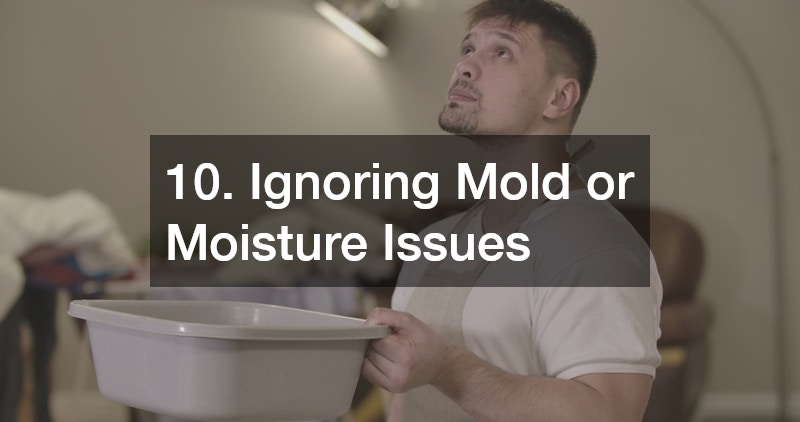
Hidden mold or dampness can render storage spaces unusable, forcing homeowners to pile items elsewhere and reducing usable space. Best local mold remediations offer professional solutions to detect, remove, and prevent mold growth.
Addressing moisture proactively ensures that cabinets, closets, and basements remain safe for storage. Ignoring these issues often leads to repeated relocation of possessions, making decluttering efforts ineffective. Moisture management not only protects belongings but also contributes to healthier indoor air quality. By dealing with mold and water problems, you preserve space and avoid costly replacements of damaged items or furniture.
Decluttering is not simply about removing items—it’s a strategic process that requires planning, organization, and attention to detail. Avoiding the common mistakes outlined in this guide ensures that every effort to create space actually delivers results rather than temporary fixes. By addressing issues such as hazardous materials, pest infestations, inefficient storage, and seasonal clutter, homeowners can transform their living spaces into functional, safe, and enjoyable environments.
Partnering with professionals—from cabinet makers and interior remodeling experts to dumpster rental services and best local mold remediations—makes the process more efficient and sustainable. Their expertise ensures that decluttering not only frees space but also protects belongings, enhances safety, and maximizes the usability of every area in the home.
Ultimately, creating extra space is about more than clearing physical clutter; it’s about fostering a sense of order and calm. With thoughtful planning, consistent maintenance, and the right support, homeowners can reclaim their space, improve daily functionality, and enjoy a home that feels larger, cleaner, and more inviting. Thoughtful decluttering isn’t a one-time task—it’s an ongoing practice that pays off in comfort, safety, and long-term value.